Switzerland at the United Nations Security Council: Academic Insights
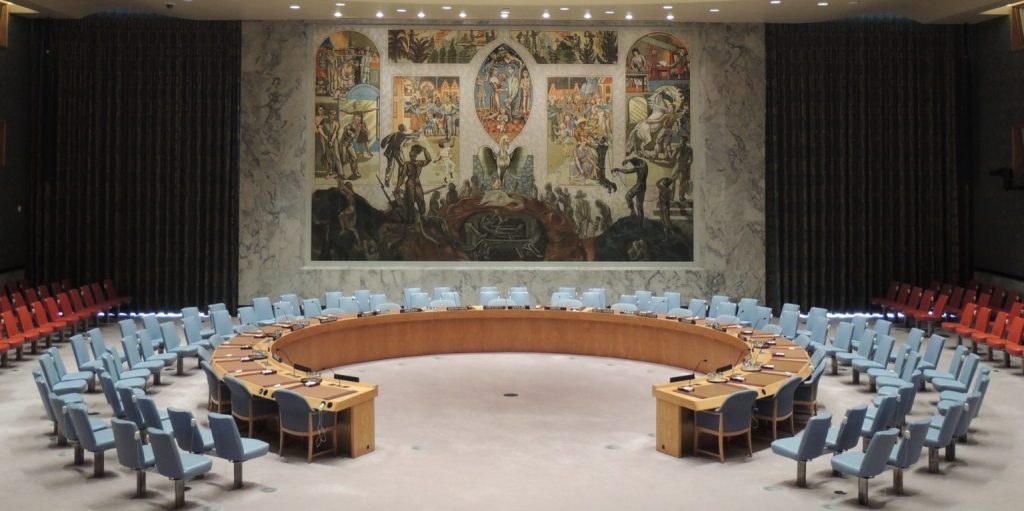
Photo credit: Lucile Maertens
The UN Security Council consists of five permanent members (P5) (China, France, Russia, United Kingdom, United States) and ten non-permanent members, elected for two-year terms (E10). Many studies exist on the role of elected members in the UN Security Council, yet they usually focus on their influence, leaving aside the manifold practices through which they participate in the UN Security Council’s work while performing their role as multilateral actors.
This research aims at broadening the analysis of the practices used by elected members in the UN Security Council. Based on the case of Switzerland, it applies ethnographic approaches to collect fine-grained data on its practices and provide a detailed account of its membership.
The project generates unique insights for both scholars and policymakers to understand the practices and the functioning of the UN Security Council on a daily basis. Based on the Swiss experience, it furthers our understanding of the main decision-making body for contemporary and future international peace and security.
Switzerland holds a non-permanent seat on the United Nations Security Council for the first time in 2023-2024. This provides a unique opportunity for researchers to analyze an elected member with the particular characteristics of being a neutral and small state as well as a relatively young member of the organization but with a long history of commitment to multilateralism and of hosting multilateral organizations.
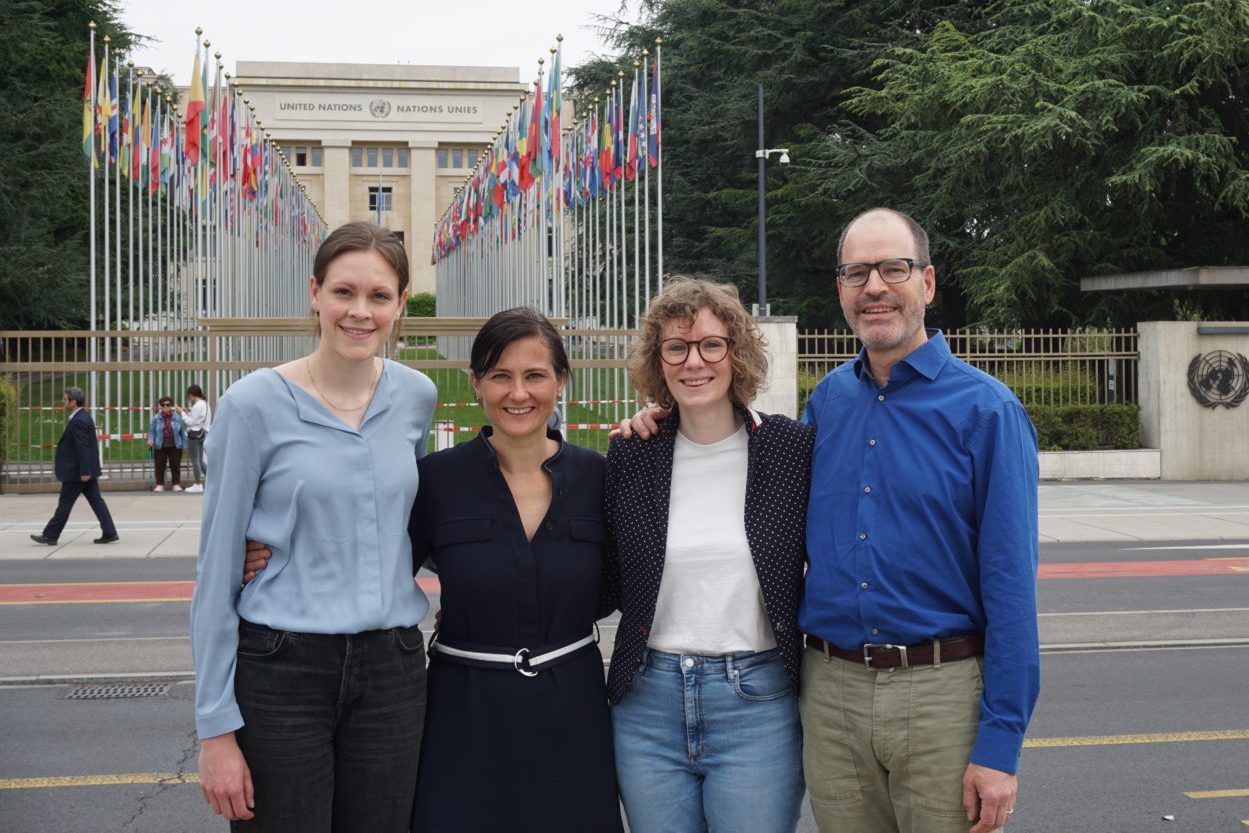
Meet the Team
Principal investigator
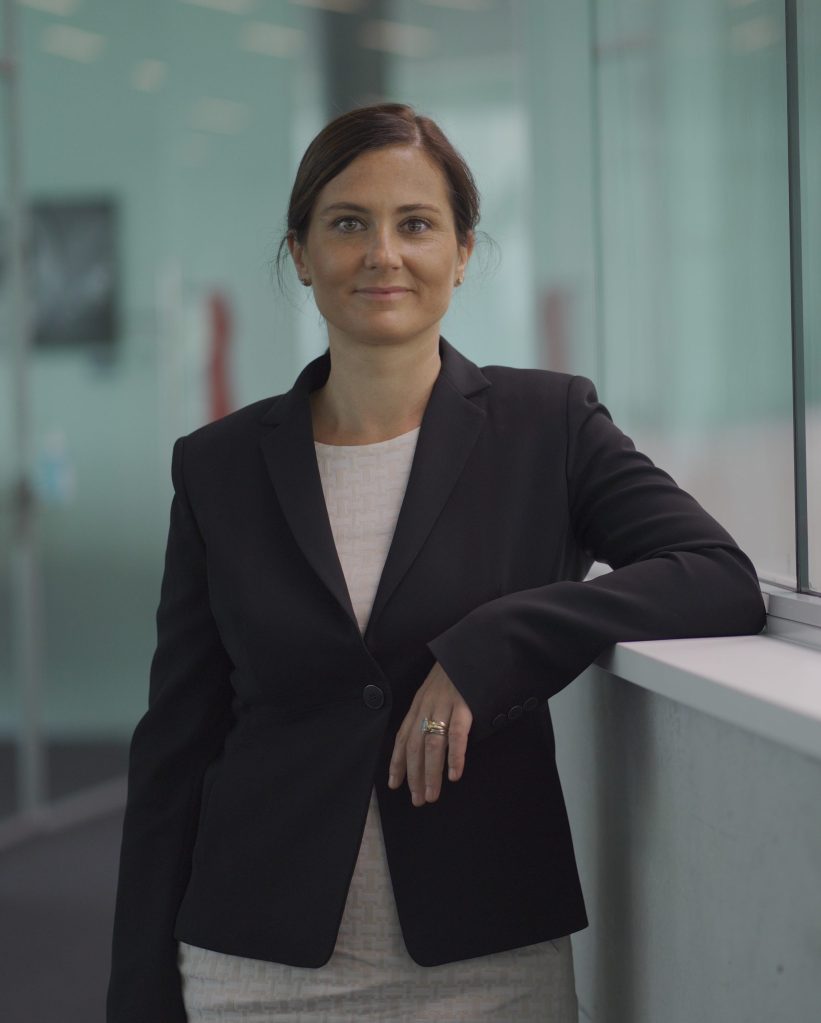
Dr. Sara Hellmüller
Dr. Sara Hellmüller is a senior researcher at ETH Zürich. Her work focuses on peace and conflict research, particularly the link between world politics and UN peace missions, norms in peacemaking, and knowledge production on peace. She manages this project with Dr. Lucile Maertens and is a member of the thesis committee for Flavia Keller’s doctoral dissertation. She also studies Switzerland’s engagement on sustaining peace and the protection of civilians during its term, notably as it pertains to UN peace operations.
Principal investigator
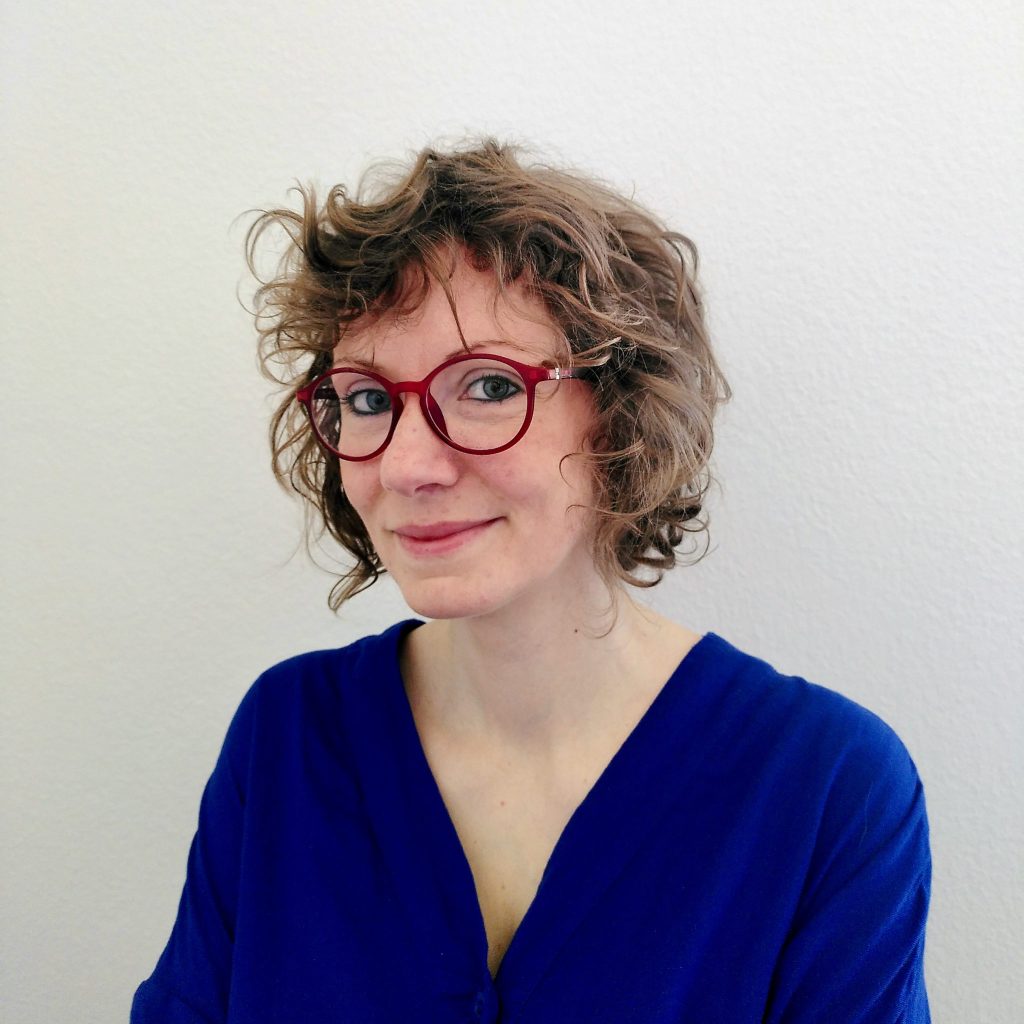
Prof. Lucile Maertens
Prof. Lucile Maertens is an associate professor in political science and international relations at the Geneva Graduate Institute of International and Development Studies and member of the Global Governance Centre (GGC), Switzerland. Her work focuses on international organizations and multilateral practices, notably in the field of global environmental politics. Prof. Lucile Maertens manages this project with Dr. Sara Hellmüller and co-supervises Flavia Keller’s doctoral dissertation with Prof. Jean-Christophe Graz. She also studies Switzerland’s engagement on climate security during its term and the key role elected members play in ensuring the continuity and progress of the debates on this topic at the Council.
Collaborator
Prof. Dr. Jean-Christophe Graz
Prof. Jean-Christophe Graz is Professor of international relations at the Institute of Political Studies of the University of Lausanne, Switzerland, co-founder of the Centre of International History and Political Studies of Globalization (CRHIM), and Vice-Dean for research, ethics and doctoral schools at the Faculty of Social and Political Sciences. His work focuses on various issues of global governance. His most recent book is The Power of Standards: Hybrid authority and the Globalisation of Services (Cambridge University Press, 2019 – Open Access), for which he received the Joan Robinson Prize for the best monograph from the European Association for Evolutionary Political Economy (EAEPE). In the context of this project, he co-supervises Flavia Keller’s doctoral dissertation with Dr. Lucile Maertens.

Research assistant and PhD candidate
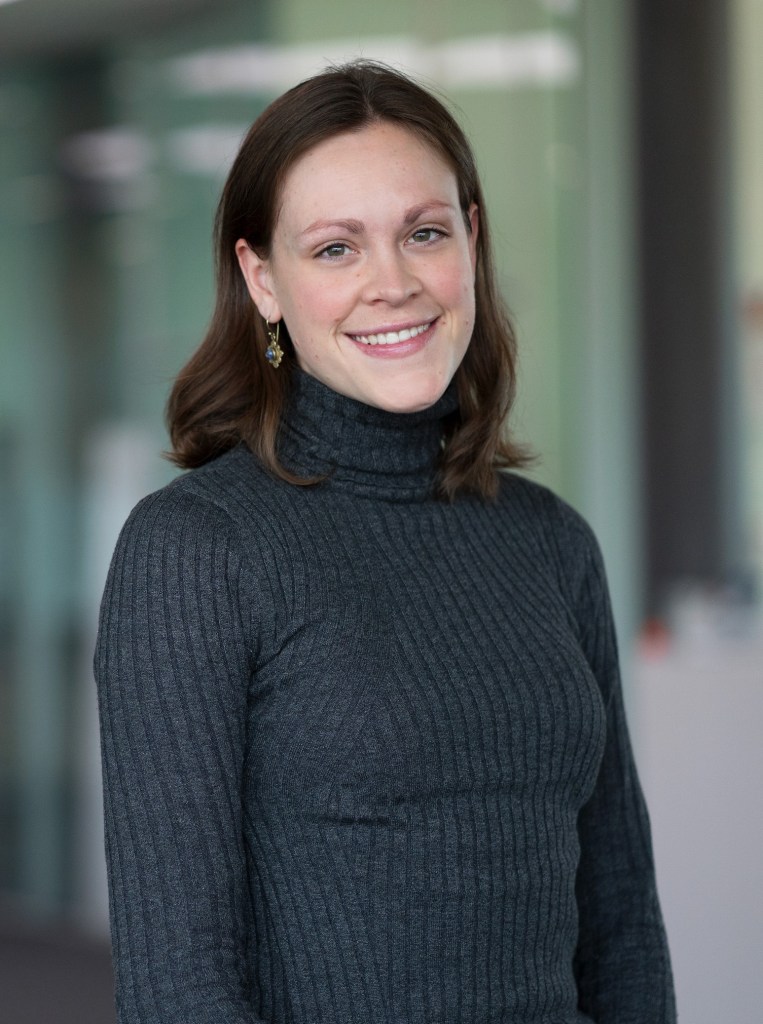
Flavia Keller
Flavia Keller is a master’s candidate at the Geneva Graduate Institute. As of September 2023, she will join the project as a doctoral student at the Institute of Political Studies of the University of Lausanne, Switzerland. Besides writing her dissertation in the framework of the project, Flavia is responsible for generating the ethnographic data on the practices of Switzerland at the UN Security Council. She also studies Switzerland’s engagement on building sustainable peace (in particular with a gender lens) and in relation to enhancing the effectiveness of the Council.
Related Articles
June 2023
Switzerland and the United Nations
Interview of Sara Hellmüller on Switzerland’s mandate at the United Nations Security Council, quoted in the Republik’s weekly briefing.

April 2023
A Plus for Peace: Switzerland in the UN Security Council
Project launch, latest news of the Geneva Graduate Institute.
This three-year research project was funded by the Fondation pour l’Université de Lausanne.
 Sara Hellmüller